Patient Resources
After Your Root Canal
Your treatment is done. Here is exactly what to expect over the next few days, and the handful of signs that mean you should give us a call.
The short version: take it easy today, expect some soreness for a few days, avoid chewing hard things on the treated tooth, and get your permanent crown or filling placed promptly. Everything below is the longer version, plus the specific signs that mean you should call us.
The First Day
Right After Your Appointment
While you are still numb
The anesthesia usually takes two to four hours to wear off. Skip meals until feeling returns, or stick to things that do not require chewing, so you do not bite your cheek or tongue without noticing. Be careful with hot drinks while you cannot judge temperature.
Managing soreness
Most discomfort is well controlled with over-the-counter pain relievers such as ibuprofen or acetaminophen, taken as directed on the label. Starting the first dose before the numbness fully wears off keeps you ahead of it. If we prescribed or recommended anything specific at your visit, follow those instructions first.
Eating and chewing
Chew on the other side for the first few days, and keep anything hard, crunchy, or sticky away from the treated tooth until your permanent restoration is in place. The tooth is more fragile than it feels right now.
Normal routine, mostly
Brush and floss normally, treating the tooth gently near the gumline if it is tender. Work, school, and light activity are fine the same or next day for most people.
What Is Normal
Expected Over the Next Few Days
The trend matters more than any single day: things should feel a little better each day, not worse. Full comfort can take a week or two, and occasionally a bit longer for teeth that were very inflamed before treatment.
When to Call Us
Call (520) 333-3492 If You Notice
None of these mean something is necessarily wrong, but each one deserves a conversation. Call us and describe what you are noticing. And if you ever have swelling that affects your breathing or swallowing, go to the nearest emergency room first.
The Last Step
Your Permanent Restoration
Root canal treatment is finished, but the tooth is not fully protected until your general dentist places the permanent crown or filling. The temporary filling sealing the tooth right now is exactly that: temporary. It is not built to withstand months of chewing.
Schedule with your dentist within a few weeks unless we told you otherwise at your visit. We have already sent them a full report, so they will be ready for you. This single step is the biggest thing you control in how long your treated tooth lasts.
Common Questions
Frequently Asked Questions
How long will I be numb after my root canal?
Local anesthesia typically wears off within two to four hours. Until it does, be careful eating so you do not accidentally bite your cheek, lip, or tongue. Hot drinks deserve extra caution while you cannot feel temperature normally.
What can I eat after a root canal?
Once the numbness wears off, soft foods are the comfortable choice for the first day or two. Avoid chewing on the treated side, and stay away from anything hard, crunchy, or sticky on that tooth until your permanent crown or filling is placed.
How long will my tooth be sore?
Tenderness for two to five days is normal, especially when biting, and especially if the tooth was infected or painful before treatment. It should trend better each day. Discomfort that increases after the first couple of days is worth a phone call.
My bite feels off or high. Is that normal?
A bite that feels high when the numbness wears off is common and easy to fix with a quick adjustment. Call us rather than waiting it out, since a high spot can keep the tooth sore longer than necessary.
When do I go back to my regular dentist?
Schedule your permanent restoration within a few weeks of finishing treatment unless we tell you otherwise. The temporary filling is not designed for long-term use, and a prompt crown or filling is the best protection for your tooth.
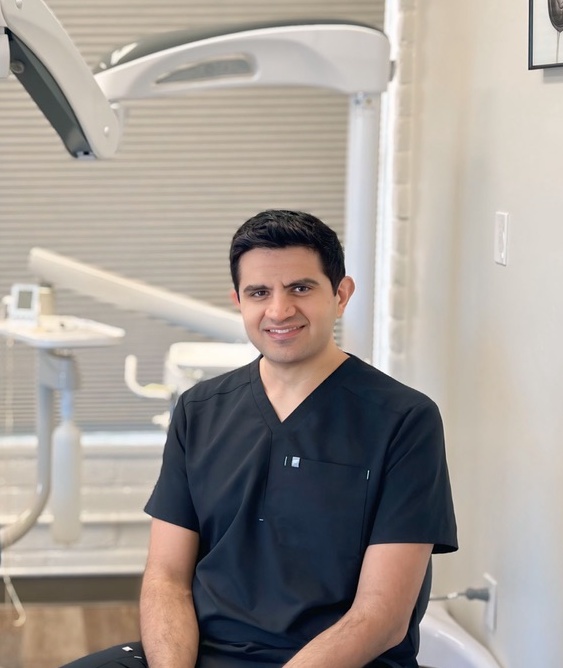
Reviewed by Dr. Ron Malakpour, DDS, MS
Endodontist, Root Canal Specialists, Tucson, AZ. Page last updated July 2026.