A Second Chance
Root Canal Retreatment in Tucson
A root canal that did not heal does not mean the tooth is lost. Retreatment finds what went wrong the first time and fixes it.
A root canal that did not heal is not the end of the road for your tooth. Retreatment means reopening the tooth, removing the old filling material, finding and correcting the reason things did not heal, and sealing everything again. Done under the microscope, it saves teeth that would otherwise be lost.
Recognize the Signs
Signs a Treated Tooth Has a Problem
A properly healed root canal tooth should feel like any other tooth. Trouble can show up months or even years later, and sometimes your dentist spots it on an x-ray before you feel anything.
Step by Step
How Retreatment Works
Find out why it failed
Before touching the tooth, we need to know what went wrong. 3D cone beam imaging and microscope examination usually reveal the culprit: a missed canal, complex anatomy, new decay, or a restoration that leaked.
Reopen and disassemble
Under anesthesia, we regain access to the canal system, sometimes through the existing crown. Old filling material, and posts if present, are carefully removed.
Clean, correct, and reseal
The canals are cleaned and disinfected again, missed anatomy is located and treated, and everything is sealed with fresh material. The microscope is essential here, since the problems that cause failure are usually small and hidden.
Restore and monitor
Your dentist places or replaces the final restoration, and we follow up to confirm the bone around the root is healing the way it should.
Your Options
When Retreatment Is Not the Answer
Retreatment is our first choice when the cause of failure can be fixed from inside the tooth. When it cannot, for example when a post cannot be removed safely or the problem sits at the very tip of the root, an apicoectomy, a minor surgical procedure, may be the better route. You can read about it on our apicoectomy page.
And when neither option offers a predictable result, we will say so. A tooth is worth saving when saving it is likely to work. Our recommendations follow the evidence in your specific case, not a script.
Common Questions
Frequently Asked Questions
Why did my root canal fail?
Common reasons include extra canals that were not visible or accessible the first time, complex or curved anatomy, a delay in getting the final crown, new decay, or a cracked or leaking restoration that let bacteria back in. Retreatment addresses these causes directly.
Is retreatment worth it, or should I just extract the tooth?
When the cause of the problem can be identified and corrected, retreatment lets you keep your natural tooth, which is usually the strongest long-term option. If the tooth is not a good candidate, we will tell you honestly and discuss alternatives including surgery or extraction.
Does retreatment hurt more than the first root canal?
The experience is very similar to an initial root canal. You are fully numb throughout, and most patients are surprised at how routine it feels. Some post-treatment soreness for a few days is normal.
Will my crown need to be replaced?
Sometimes we can work through the existing crown and restore the access opening afterward. In other cases the crown must be removed or replaced, particularly if decay or a poor fit is part of the problem. We will let you know before we begin.
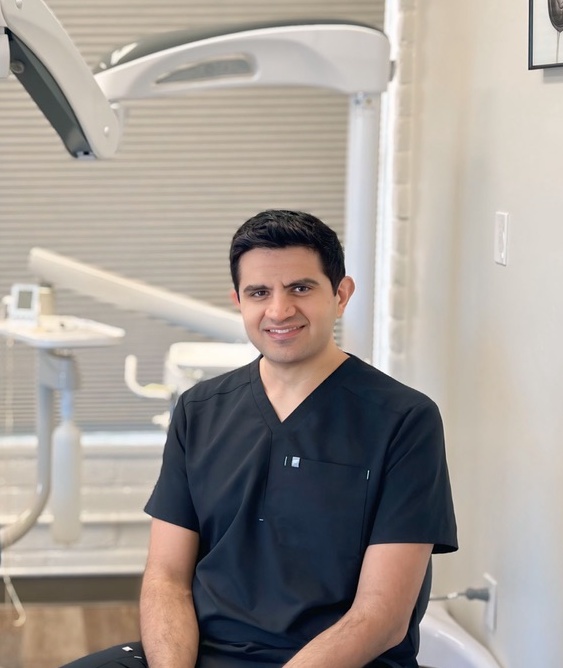
Reviewed by Dr. Ron Malakpour, DDS, MS
Endodontist, Root Canal Specialists, Tucson, AZ. Page last updated July 2026.