Patient Resources
Root Canal vs. Extraction
Save the tooth or pull it? The honest framework for the biggest decision in a dental chair, including when extraction really is the better answer.
This is the biggest question patients weigh, so here is our honest framework: if the tooth can be predictably saved, saving it is usually the better long-term choice. If it cannot, extraction is the right call, and we will tell you so. The rest of this page explains how to think it through.
The Case for Saving
Why Your Natural Tooth Is Worth Keeping
Nothing engineered replaces a natural tooth perfectly. Your own tooth has a natural attachment to the bone with sensory feedback that implants do not replicate, it preserves the bone around it through normal chewing, and it looks and feels like what it is: your tooth.
A root canal plus a crown lets you keep all of that. Done well, on the right tooth, root canal treated teeth can serve for decades, and the treatment itself is a routine, comfortable procedure, whatever its outdated reputation suggests. You can see exactly what it involves on our root canal treatment page.
The Other Side
When Extraction Is the Right Answer
Some teeth should not be saved, and pretending otherwise serves nobody. Extraction is usually the better path when:
In these situations, an implant or bridge is not a consolation prize. It is the right treatment, and modern versions are excellent. Our role is the diagnosis: telling you with confidence which category your tooth is in.
The Money Question
Comparing Costs Honestly
An extraction costs less than a root canal on the day it happens. That is true, and it is also where the simple comparison ends. A missing tooth usually needs to be replaced, and replacement, whether an implant and crown or a bridge, typically involves more appointments and more total cost than the root canal and crown would have been.
So the fair comparison is not root canal versus extraction. It is root canal and crown versus extraction, implant, and crown, or versus extraction plus living permanently with the gap. Framed that way, saving a savable tooth is usually the best value in dentistry. Our cost and insurance page covers the details, and you will always have your exact numbers before deciding.
Deciding
How to Make This Decision Well
Start with the diagnosis, because everything else follows from it. An examination with microscope evaluation and 3D imaging tells us whether your tooth is predictably savable, borderline, or beyond saving, and that single fact does most of the deciding for you.
Then weigh the rest honestly: your budget and coverage, your appetite for treatment, how much the tooth matters to your chewing and smile. We will give you our recommendation and the reasoning behind it, and we are equally comfortable when the answer is a root canal, an extraction, or a second opinion that simply confirms what you already heard elsewhere. It is your tooth and your decision. Our job is to make sure it is an informed one.
Common Questions
Frequently Asked Questions
Is it better to have a root canal or pull the tooth?
When a tooth can be predictably saved, keeping your natural tooth is usually the better choice for function, appearance, and long-term cost. When a tooth cannot be predictably saved, extraction is the right call. The honest answer depends on an examination of your specific tooth.
Is extraction cheaper than a root canal?
On the day, yes. Over time, usually not. A missing tooth generally needs replacement with an implant or bridge, and either path typically costs more in total than the root canal and crown would have. Choosing extraction to save money usually only works if you also accept living with the gap.
What happens if I just leave the gap after an extraction?
Neighboring teeth tend to drift and tip into the space over time, the opposing tooth can over-erupt, and chewing shifts to other teeth. Some people do fine with a missing back tooth, but the change is usually not neutral, which is why replacement is typically recommended.
Are implants better than root canal treated teeth?
Both are good, well-proven treatments, and neither is universally better. A savable natural tooth generally serves you at least as well as an implant, with less treatment. Implants shine when a tooth genuinely cannot be saved. The good news is that this is not a decision you have to make blind: an examination tells us which situation you are in.
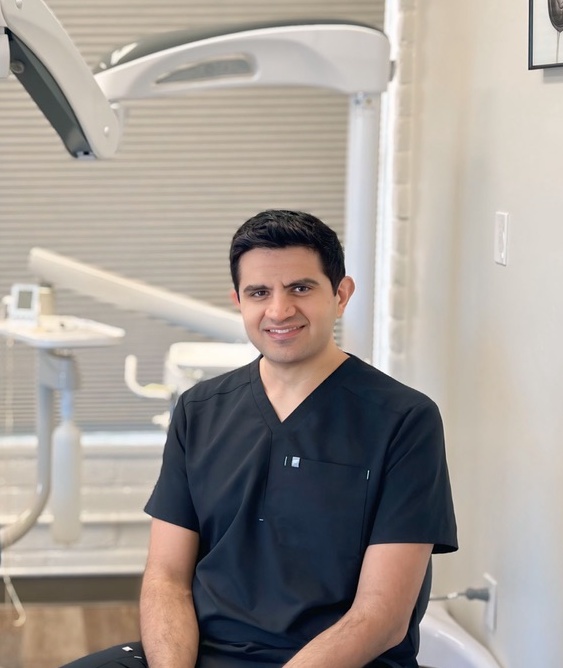
Reviewed by Dr. Ron Malakpour, DDS, MS
Endodontist, Root Canal Specialists, Tucson, AZ. Page last updated July 2026.