Our Core Service
Root Canal Treatment in Tucson
The treatment that lets you keep your natural tooth. Performed exclusively, every day, under surgical microscope magnification by Dr. Ron Malakpour.
A root canal removes the inflamed or infected tissue inside your tooth, then seals the space so the tooth can be saved. That is the whole idea: stop the pain, clear the infection, and keep your natural tooth instead of extracting it. It is the most common procedure we perform, and our practice does nothing else but this kind of care.
Do You Need One?
Signs a Tooth May Need Root Canal Treatment
Inside every tooth is soft tissue called the pulp, which contains the nerves and blood supply. When deep decay, a crack, or trauma lets bacteria reach the pulp, it becomes inflamed or infected, and that is when symptoms usually start.
Some teeth develop problems with no symptoms at all, which is why your dentist may refer you to us after seeing something on an x-ray. If you were referred, it does not necessarily mean you need treatment. It means your dentist wants a specialist's diagnosis, and sometimes the answer is that no treatment is needed.
Step by Step
How Root Canal Treatment Works
Diagnosis and imaging
We examine the tooth, test how it responds, and take digital x-rays. When the anatomy calls for it, we use 3D cone beam imaging to see the roots and surrounding bone in detail before we begin. You will get a clear explanation of what we found and what we recommend.
Complete numbing
We anesthetize the tooth and surrounding area, then verify you are fully numb before starting. A protective rubber dam isolates the tooth, keeping it clean and keeping you comfortable throughout.
Cleaning and shaping the canals
Working through a small opening in the top of the tooth, Dr. Malakpour removes the inflamed or infected pulp, then cleans, disinfects, and shapes the canal system. This is where the surgical microscope matters most: root canals are tiny, often curved, and sometimes hidden, and magnification helps ensure none are missed.
Sealing the tooth
The cleaned canals are filled and sealed with a biocompatible material to prevent reinfection, and a temporary filling closes the opening. Most treatments take about 60 to 90 minutes, and many are completed in one visit.
Final restoration with your dentist
Your general dentist places the permanent crown or filling that protects the tooth long term. We send them a complete report the same day, so the handoff is seamless.
Your Options
Alternatives to Root Canal Treatment
For a tooth with an inflamed or infected pulp, the realistic alternatives are extraction or, in early cases, monitoring. Antibiotics alone do not cure the problem, because the source of the infection remains inside the tooth.
Extraction ends the immediate problem but starts a new conversation: what fills the gap? Implants and bridges are good options, but they involve more appointments and typically more total expense than saving the tooth in the first place. When a tooth can be predictably saved, keeping it is usually the strongest long-term choice. And when it cannot, we will say so plainly and help you and your dentist plan the right next step.
Comfort First
What It Actually Feels Like
Root canals carry a reputation they have not deserved for decades. Modern anesthesia, magnification, and technique have changed the experience completely. During treatment you should feel pressure and vibration at most, and if you feel anything more, we stop and fix that first.
Most of our patients arrive nervous and leave surprised. The most common thing we hear afterward is some version of "that was it?"
Afterward
Recovery and Aftercare
Plan on mild soreness for a few days, especially when chewing, as the tissues around the root heal. Over-the-counter pain relievers handle this for most people, and we will give you specific instructions before you leave. Most patients are back to their normal routine the next day.
Until your permanent restoration is placed, avoid chewing anything hard on the treated tooth. And schedule that final crown or filling with your dentist promptly. It is the single most important thing you can do to protect the investment you just made in your tooth.
Cost and Insurance
What Root Canal Treatment Costs
Cost varies with the tooth and the complexity: front teeth have one canal while molars have three or more, and factors like prior crowns, calcified canals, and the extent of infection all matter. We will give you a clear breakdown of your costs and your insurance coverage before treatment begins, so there are no surprises.
We accept most major dental insurance plans, and financing is available through CareCredit and Cherry. Full details are on our insurance and financing page.
Common Questions
Root Canal Treatment FAQ
Does a root canal hurt?
The procedure is performed under local anesthesia, and we make sure you are thoroughly numb before starting. Most patients tell us the experience was far easier than they expected, closer to getting a filling than to what its reputation suggests.
How long does a root canal take?
Most treatments take about 60 to 90 minutes. Some teeth are completed in a single visit, while more complex cases or significant infections may call for two visits. We will tell you what to expect for your specific tooth.
Do I need a crown after a root canal?
Back teeth almost always need a crown afterward to protect them from cracking, while front teeth can sometimes be restored with a filling alone. Your general dentist places the final restoration, and we coordinate directly with them.
How long does a root canal treated tooth last?
With a proper final restoration and good home care, a root canal treated tooth can last many years and often a lifetime. Getting the permanent crown or filling placed promptly is one of the biggest factors in long-term success.
Why see an endodontist instead of a general dentist?
Endodontists complete two or more years of additional residency training focused entirely on this kind of treatment and perform it every day. Our practice is limited exclusively to endodontics, every treatment is done under a surgical operating microscope, and 3D imaging is available on site.
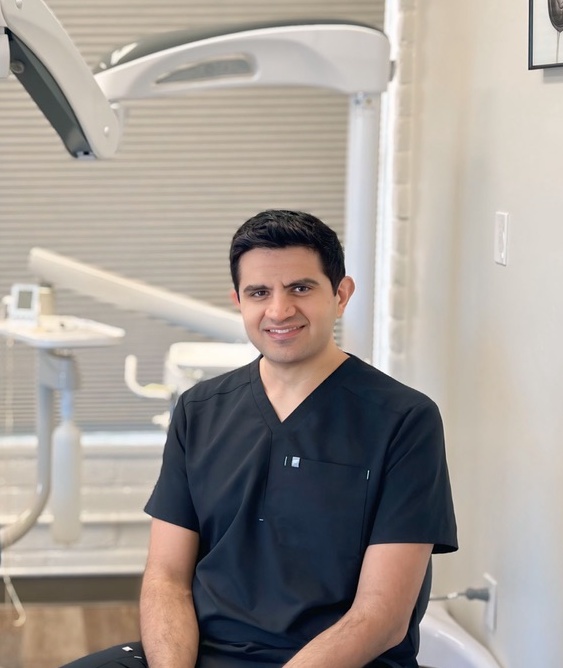
Reviewed by Dr. Ron Malakpour, DDS, MS
Endodontist, Root Canal Specialists, Tucson, AZ. Page last updated July 2026.