Diagnosis and Treatment
Cracked Tooth Treatment in Tucson
Pain when you bite that vanishes when you let go? That is the signature of a cracked tooth. Finding and treating cracks is one of the things we do best.
Cracked teeth are one of the trickiest problems in dentistry, and one of our specialties. Cracks are often invisible on x-rays and can cause pain that comes and goes, making them hard to diagnose. Under the surgical microscope, with 3D imaging when needed, we find the crack, determine how deep it goes, and give you an honest answer about whether the tooth can be saved.
Recognize the Signs
Symptoms of a Cracked Tooth
The classic sign is pain when you bite down that releases when you let go, often sharp and hard to pin to one tooth. Cracked teeth are also known for symptoms that come and go, which can be confusing and easy to dismiss.
Cracks do not heal, and chewing forces tend to make them spread. The earlier a crack is diagnosed, the more options you have. If biting has been giving you that odd zing for a while, it is worth getting it looked at now rather than later.
Not All Cracks Are Equal
Types of Cracks and What They Mean
Craze lines
Tiny surface lines in the enamel that most adult teeth have. They are cosmetic, cause no pain, and need no treatment.
Fractured cusp
A piece of the chewing surface breaks away, often around an old filling. Usually the pulp is unharmed, and a crown from your dentist takes care of it without root canal treatment.
Cracked tooth
A crack runs from the chewing surface toward the root. If it has reached the pulp, root canal treatment plus a crown can usually save the tooth. Timing matters here: treated early, before the crack extends below the gumline, these teeth do well.
Split tooth and vertical root fracture
When a crack has fully separated the tooth or started in the root itself, the tooth usually cannot be saved predictably. We will confirm the diagnosis carefully before reaching that conclusion, and if extraction is the right call, we will coordinate the next steps with your dentist.
Our Approach
How We Diagnose and Treat Cracked Teeth
Diagnosis comes first, and it is where specialty training earns its keep. We reproduce your symptoms with controlled bite tests, examine the tooth under the microscope, shine light through the tooth to reveal crack lines, and use 3D cone beam imaging when we need to see what is happening at the root level.
Treatment follows the diagnosis. That may mean root canal treatment and a crown, a crown alone through your general dentist, simple monitoring for a shallow crack, or a frank conversation about extraction when the crack is too deep. Whatever we find, you will understand exactly what is going on with your tooth and why we are recommending what we recommend.
Common Questions
Frequently Asked Questions
Can a cracked tooth heal on its own?
No. Unlike bone, tooth structure cannot heal itself. Cracks tend to spread over time under chewing forces, which is why early evaluation gives a cracked tooth its best chance of being saved.
How do you find a crack you cannot see on an x-ray?
Many cracks do not show up on standard x-rays. We use microscope magnification, bite tests, transillumination, and 3D cone beam imaging when needed to locate cracks and assess how deep they go.
Does every cracked tooth need a root canal?
No. Treatment depends entirely on the type and depth of the crack. A small fractured cusp may only need a crown from your dentist. A crack that reaches the pulp usually needs root canal treatment. Our job is to figure out which situation you have.
What happens if a cracked tooth cannot be saved?
Some cracks, especially split teeth and vertical root fractures, extend too far to be treated predictably. In those cases we will tell you honestly and help coordinate extraction and replacement planning with your general dentist.
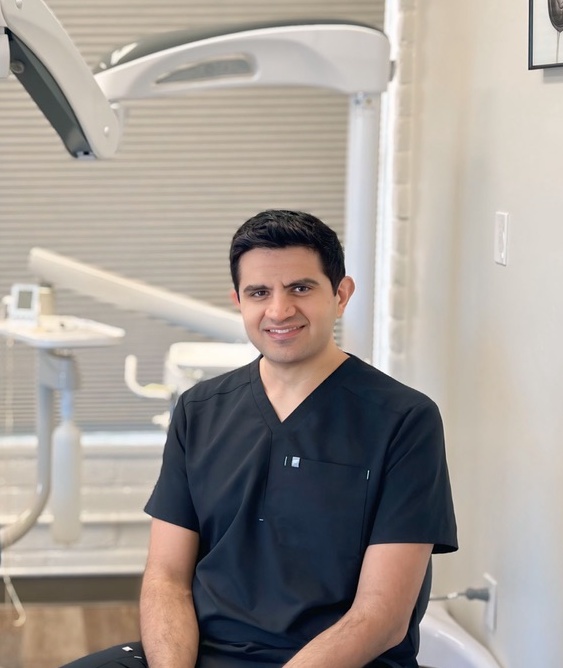
Reviewed by Dr. Ron Malakpour, DDS, MS
Endodontist, Root Canal Specialists, Tucson, AZ. Page last updated July 2026.